
Why Is Good Dental Health So Important to Overall Good Health?
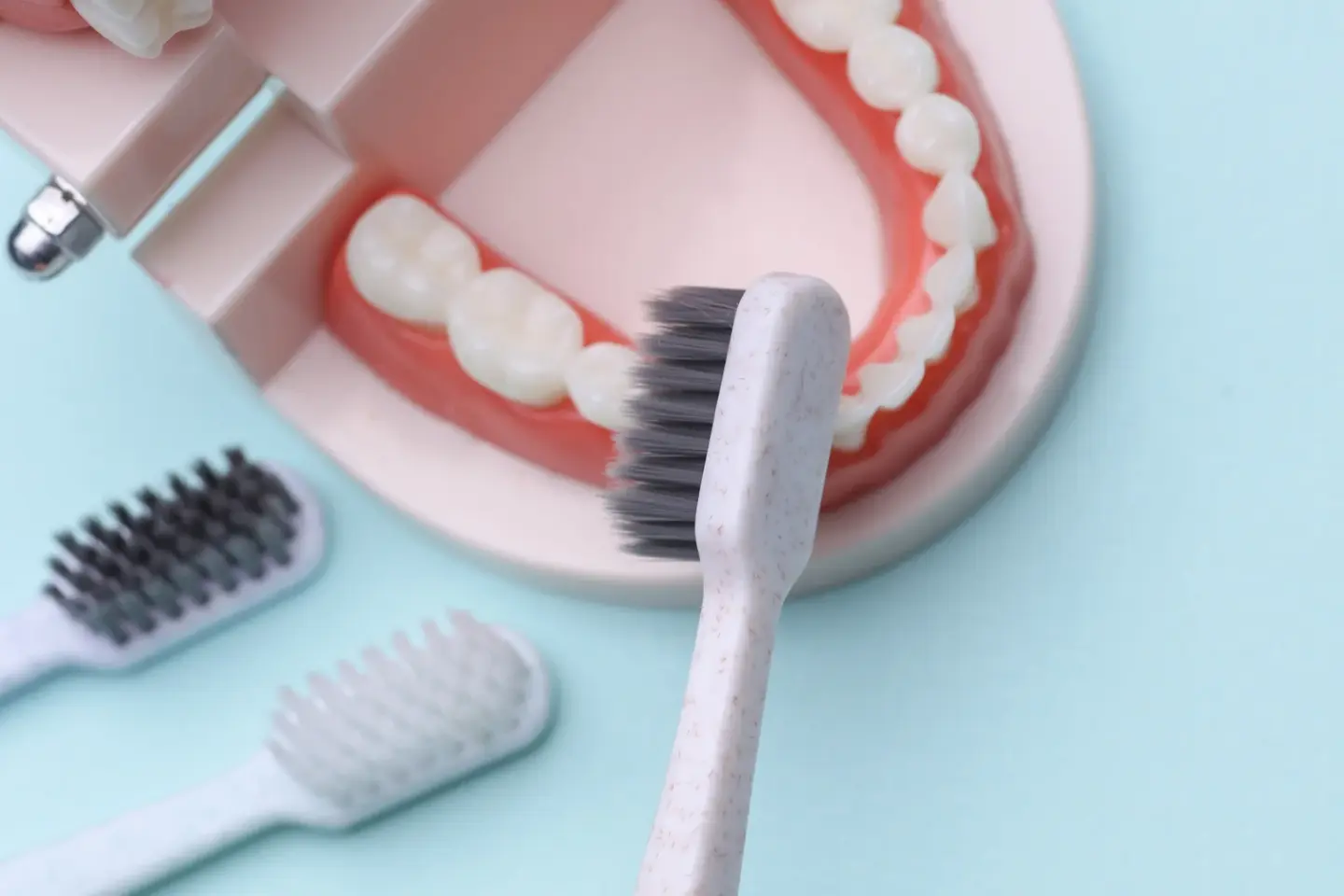
Most of us think of the dentist as the place we go for cavities, cleanings, and the occasional lecture about flossing. And sure, that's part of it. But your mouth is also connected to the rest of your body in ways that surprise many people.
The mouth is the starting point of your digestive system, a main entry point for air and food, and home to billions of bacteria. Most of them are harmless, and some are even helpful. Still, when oral hygiene slips, certain bacteria and the inflammation they cause may become more than a dental concern. Here's why good dental health matters for your overall health, and what you can do about it.
How Is Your Mouth Connected to the Rest of Your Body?
Think of your mouth as a doorway. Everything you eat, drink, and breathe passes through it. Your gums are also rich in tiny blood vessels, which means that when gum tissue becomes inflamed or infected, bacteria and inflammatory substances may have a path into the bloodstream.
Researchers have studied these connections for years. While experts are careful to say that research shows associations rather than direct cause and effect, the pattern is consistent enough that dental professionals pay close attention to the mouth as part of whole-body care.
Can Gum Disease Affect Your Heart Health?
This is one of the most talked-about links. Studies have found that people with gum disease may be more likely to have heart and blood vessel conditions. One theory is that long-term inflammation in the gums could contribute to inflammation elsewhere in the body. Another is that oral bacteria may play a role in how plaque builds up in arteries.
It's important to keep perspective. Gum disease doesn't mean you will develop heart disease, and healthy gums don't guarantee a healthy heart. Many shared risk factors, such as smoking, diabetes, and stress, can affect both. Still, taking care of your gums is a simple step that supports your health overall.
What Is the Link Between Diabetes and Dental Health?
The relationship between diabetes and gum disease seems to run in both directions. High blood sugar can make it harder for the body to fight infection, which may increase the risk of gum problems. At the same time, severe gum disease may make blood sugar harder to manage for some people.
If you have diabetes, regular dental visits are especially valuable. Let your dental team know about your condition, your medications, and your latest blood sugar numbers so they can tailor care to you.
Does Dental Health Matter During Pregnancy?
Yes, it is worth talking about. Hormonal shifts during pregnancy can make gums more sensitive, swollen, or prone to bleeding, a condition often called pregnancy gingivitis. Some research has explored possible links between gum disease and pregnancy complications, though more study is needed to understand them fully.
The takeaway is not to panic. It's to keep up with brushing, flossing, and dental checkups, and to tell your dentist and your OB-GYN about any concerns.
Can Poor Oral Hygiene Affect Your Lungs and Breathing?
When bacteria build up in the mouth, they can sometimes be inhaled into the lungs, especially in people who are older, hospitalized, or have weakened immune systems. This has been associated with respiratory infections in some cases.
For most healthy adults, the risk is low, but it's another reminder that a clean mouth supports a healthier body.
Why Does Dental Health Affect Your Nutrition, Energy, and Confidence?
Not every connection involves a medical condition. Some are just about daily life.
- Eating comfortably: Tooth pain, missing teeth, or sore gums can make chewing difficult, which may lead people to avoid fresh fruits, vegetables, and proteins.
- Sleep and focus: Persistent dental pain can wreck a good night's sleep and make it hard to concentrate at work or school.
- Speech and social comfort: Many people feel self-conscious about their teeth, and that can affect how freely they smile, talk, and connect with others.
- Mental well-being: Feeling good about your smile can boost confidence in everyday situations.
These things are easy to overlook, but they matter just as much as numbers on a lab report.
What Are the Early Warning Signs of Gum Disease You Shouldn't Ignore?
Gum disease often starts quietly. Many people don't feel pain until it has progressed, which is why knowing the early signs is useful. Pay attention to:
- Gums that bleed when you brush or floss
- Red, puffy, or tender gums
- Bad breath that doesn't go away
- Gums that seem to be pulling away from your teeth
- Loose or shifting teeth
- A change in how your teeth fit together when you bite
If you notice any of these, it's a good idea to schedule an exam. Early gum disease is often easier to manage than advanced gum disease.
What Daily Habits Protect Both Your Smile and Your Overall Health?
You don't need a complicated routine. Consistency matters more than perfection. Here's a solid starting point:
- Brush twice a day for two minutes using a soft-bristled toothbrush and fluoride toothpaste.
- Clean between your teeth daily with floss, interdental brushes, or a water flosser.
- Limit sugary snacks and drinks, especially sipping them throughout the day.
- Drink plenty of water, which helps rinse away food and keeps your mouth moist.
- Avoid tobacco, which is strongly linked to gum disease and other oral health problems.
- Replace your toothbrush every three to four months, or sooner if the bristles are frayed.
- Don't skip checkups. Many dental issues have no symptoms in the early stages.
If you ever feel tooth discomfort, over-the-counter pain relievers may offer temporary relief, but they don't fix the underlying issue. A dental exam can help find the cause.
How Often Should You Visit the Dentist for Cleanings and Exams?
Many people do well with a checkup and cleaning every six months, though your dentist may suggest a different schedule based on your health history. People with gum disease, diabetes, or a history of frequent cavities may benefit from more frequent visits.
During an exam, your dentist looks for cavities, gum changes, worn or cracked teeth, and signs of oral cancer. They may take X-rays to see what's happening beneath the surface. These appointments are as much about prevention as treatment.
Why Families Choose Smileworks Family Dentistry for Preventive Care
Good dental habits tend to begin at home, and they stick best when the whole family is on board. At Smileworks Family Dentistry in Pittsfield, MA, the team welcomes patients of different ages and works to make visits feel comfortable and clear. From routine cleanings to guidance on home care, Smileworks Family Dentistry focuses on helping you understand your oral health and how it fits into your overall well-being.
Schedule Your Next Dental Checkup With Smileworks Family Dentistry
Taking care of your teeth is one of the most practical things you can do for your overall health, and it doesn't have to feel overwhelming. A regular checkup is a great place to start, whether it has been six months or six years since your last visit.
Call Smileworks Family Dentistry today to book an appointment in Pittsfield, MA. The team at Smileworks Family Dentistry is ready to listen, answer your questions, and help you build a routine that supports a healthy smile and a healthier you.
Frequently Asked Questions About Dental Health and Overall Health
Q: Can poor dental health affect other parts of my body?
A: Research suggests that oral health may be linked to conditions such as heart disease, diabetes, and respiratory infections. These are associations, and experts continue to study how they work. Maintaining good oral hygiene is a simple way to support your general health.
Q: Is bleeding gums normal when I floss?
A: Occasional bleeding can happen when you are just starting to floss, but ongoing bleeding may be an early sign of gum inflammation. It is worth mentioning to your dentist.
Q: How often should I see a dentist if I have no pain?
A: Many people benefit from visits about every six months. Dental problems often develop without pain, so routine exams help catch concerns early.
Q: Can dental problems affect my mental health?
A: Dental pain, missing teeth, or self-consciousness about your smile may affect confidence and mood for some people. Treating dental concerns can help improve comfort and self-esteem.
Q: Are electric toothbrushes better than manual ones?
A: Either can work well when used properly. Some people find electric brushes easier to use consistently. Your dentist can suggest what fits your needs.
Q: What should I do if I have a health condition like diabetes or heart disease?
A: Let your dental team know, and keep them updated on any medications. They can adjust your care plan and may recommend more frequent visits.
Q: Where can I schedule a preventive dental visit in Pittsfield, MA?
A: Smileworks Family Dentistry welcomes new and returning patients for exams, cleanings, and preventive care. Call the office to schedule a visit.
Contact Us
Don’t wait for symptoms to worsen—book your consultation today and take the first step towards better health.


Phone: (413) 443-3144


Smileworks Family Dentistry offers compassionate, expert care for all ages, ensuring healthy, beautiful smiles with personalized treatments in a welcoming environment.


© Smileworks Family Dentistry 2025. All Rights Reserved | Privacy Policy | Powered by Remedo