
How to Care for Your Gums and Prevent Gum Disease
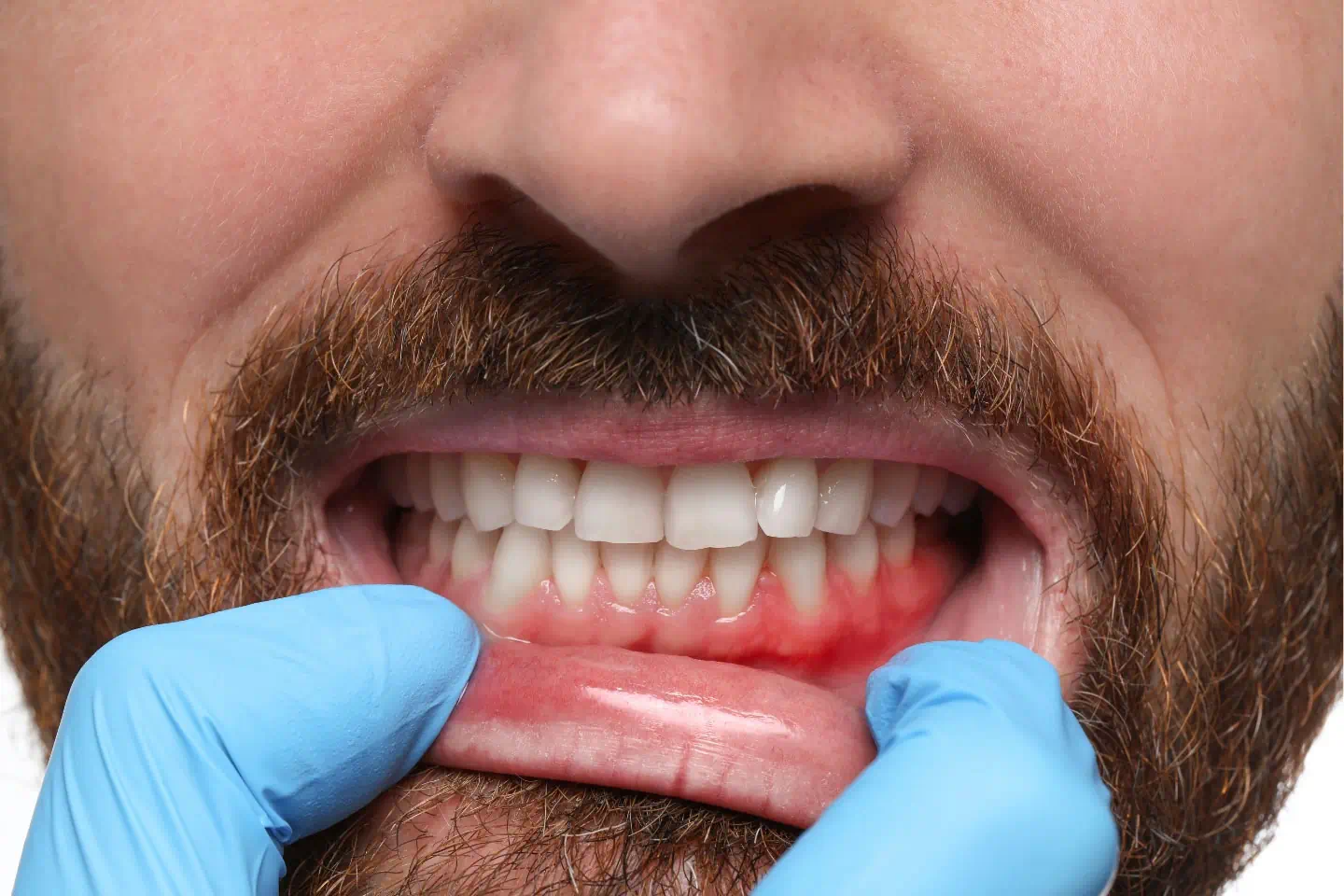
Most people spend a lot of time thinking about their teeth, whether that means whitening, straightening, or just keeping cavities away, but gums often get overlooked until something feels wrong. Bleeding when you brush, tenderness around the gumline, or a bit of swelling can be easy to brush off, yet these small signals are usually your gums asking for a little more attention. Learning how to care for your gums and prevent gum disease is one of the simplest ways to protect your smile for the long run, and it does not require anything complicated.
This guide covers the daily habits that support healthy gums, the warning signs of gum disease worth watching for, and practical steps you can start using right away to keep your gums in good shape.
Why Gum Health Matters More Than Most People Realize
Gums do a lot of quiet, important work. They hold your teeth in place, protect the bone underneath, and act as a barrier against bacteria that would otherwise have direct access to deeper tissue. When gum health is neglected, the effects are not always immediate, which is part of why gum disease can creep up without much warning.
Healthy gums are typically firm, pale pink, and do not bleed during normal brushing or flossing. When gum health starts to decline, you might notice puffiness, a deeper red or purple tone, or gums that pull away from the teeth over time. Keeping an eye on these changes and addressing them early is one of the most effective ways to prevent gum disease from progressing into something more serious.
Daily Habits That Support Healthy Gums
Good gum care starts with the basics, but doing the basics consistently is where most of the benefit comes from. Brushing twice a day with a soft-bristled toothbrush, using gentle circular motions rather than aggressive scrubbing, helps clean the gumline without causing irritation. Many people brush too hard thinking it means a cleaner mouth, but this can actually wear down gum tissue over time.
Flossing once a day is another habit that plays a major role in gum health, since it removes plaque and food particles from between teeth and along the gumline that a toothbrush cannot reach. If traditional floss feels difficult to use, options like floss picks or water flossers can be effective alternatives that still support the same goal of keeping the gumline clean. Rinsing with an antimicrobial mouthwash can also help reduce bacteria that contribute to plaque buildup, though it should be used as a supplement to brushing and flossing rather than a replacement for them.
Warning Signs of Gum Disease You Should Not Ignore
Gum disease often develops gradually, which is why paying attention to early warning signs can make such a difference. Bleeding gums during brushing or flossing is one of the most common early indicators, and while occasional light bleeding might happen if you have been away from flossing for a while, ongoing bleeding is worth mentioning to your dentist.
Other signs of gum disease include persistent bad breath that does not improve with brushing, gums that appear swollen or tender, and gums that seem to be pulling away from the teeth, making them look longer than usual. Some people also notice a change in how their teeth fit together when biting down, which can happen as gum disease affects the supporting structures around the teeth. Catching these signs early and bringing them up with your dentist can help keep gum disease from advancing further.
Understanding Gingivitis and How It Differs from Periodontitis
Gingivitis is generally considered the earlier and milder stage of gum disease, and it is often reversible with improved oral hygiene and professional cleanings. Symptoms of gingivitis typically include redness, swelling, and bleeding, but the deeper structures that support the teeth are usually not yet affected at this stage.
Periodontitis is a more advanced form of gum disease that develops when gingivitis is left untreated for an extended period. At this stage, the infection can begin affecting the bone and connective tissue that hold teeth in place, which is why professional treatment becomes especially important. Understanding the difference between gingivitis and periodontitis can help you see why addressing gum concerns early, rather than waiting, tends to lead to a smoother path back to healthy gums.
The Role of Diet in Gum Health and Prevention
What you eat plays a bigger role in gum health than a lot of people expect. Diets high in sugar and refined carbohydrates can feed the bacteria that contribute to plaque buildup, which in turn increases the risk of gum disease over time. On the other hand, foods rich in vitamin C, like citrus fruits and leafy greens, support the connective tissue in your gums, while foods high in calcium help maintain the bone structure that supports your teeth.
Staying hydrated also supports saliva production, and saliva naturally helps wash away food particles and neutralize acids in the mouth throughout the day. Small adjustments to your diet, paired with consistent oral hygiene, can meaningfully support your efforts to prevent gum disease.
How Smoking and Tobacco Use Affect Gum Health
Smoking and tobacco use are among the most significant risk factors for gum disease, and they can also make existing gum problems harder to treat. Tobacco use reduces blood flow to the gums, which can mask symptoms like bleeding, meaning problems might be more advanced by the time they become noticeable. It also weakens the immune response in gum tissue, making it harder for the body to fight off the bacteria associated with gum disease.
Quitting smoking or using tobacco products is one of the most impactful steps someone can take to support their gum health, alongside consistent brushing, flossing, and regular dental visits.
Why Professional Dental Cleanings Are Essential for Gum Health
Even with excellent home care, professional dental cleanings play an important role in maintaining healthy gums. Plaque that hardens into tartar cannot be removed with a toothbrush alone, and tartar buildup along and below the gumline is one of the main contributors to gum disease. Regular cleanings allow a dental hygienist to remove this buildup and give your dentist a chance to check for early signs of gum disease before they progress.
Most dentists recommend a cleaning and checkup every six months, though some patients with a history of gum disease may benefit from more frequent visits. Sticking to a regular cleaning schedule is one of the simplest ways to catch gum health issues early and keep your prevention routine on track.
Take the Next Step Toward Healthier Gums with Smileworks Family Dentistry
If you have noticed bleeding, swelling, or other changes in your gums, or if it has been a while since your last cleaning, the team at Smileworks Family Dentistry is ready to help you get back on track. A thorough evaluation can help identify where your gum health currently stands and what steps make sense for your specific situation. Reach out to Smileworks Family Dentistry today to schedule your next cleaning and take a proactive step toward long-term gum health.
Frequently Asked Questions About Gum Care and Gum Disease Prevention
Q: How often should I floss to help prevent gum disease?
A: Flossing once a day is generally recommended to remove plaque and debris from between teeth and along the gumline, which supports overall gum health.
Q: Can gum disease be reversed once it starts?
A: Early-stage gum disease, known as gingivitis, is often manageable with improved oral hygiene and professional cleanings. More advanced stages may require additional treatment from a dentist.
Q: What toothbrush is best for gum health?
A: A soft-bristled toothbrush used with gentle circular motions is typically recommended, since harder bristles or aggressive brushing can irritate gum tissue over time.
Q: Is bleeding when I brush my teeth always a sign of gum disease?
A: Bleeding can be an early sign of gum irritation or gingivitis, especially if it happens consistently. It is a good idea to mention ongoing bleeding to your dentist for a proper evaluation.
Q: How does smoking affect gum disease risk?
A: Smoking reduces blood flow to the gums and can weaken the body's ability to fight off bacteria, which may increase the risk of gum disease and make symptoms harder to notice.
Q: How often should I see a dentist for a gum health checkup?
A: Most people benefit from a checkup and cleaning every six months, though your dentist may recommend more frequent visits depending on your individual gum health history.
Contact Us
Don’t wait for symptoms to worsen—book your consultation today and take the first step towards better health.


Phone: (413) 443-3144


Smileworks Family Dentistry offers compassionate, expert care for all ages, ensuring healthy, beautiful smiles with personalized treatments in a welcoming environment.


© Smileworks Family Dentistry 2025. All Rights Reserved | Privacy Policy | Powered by Remedo