
Professional Teeth Cleaning in Palmer, MA
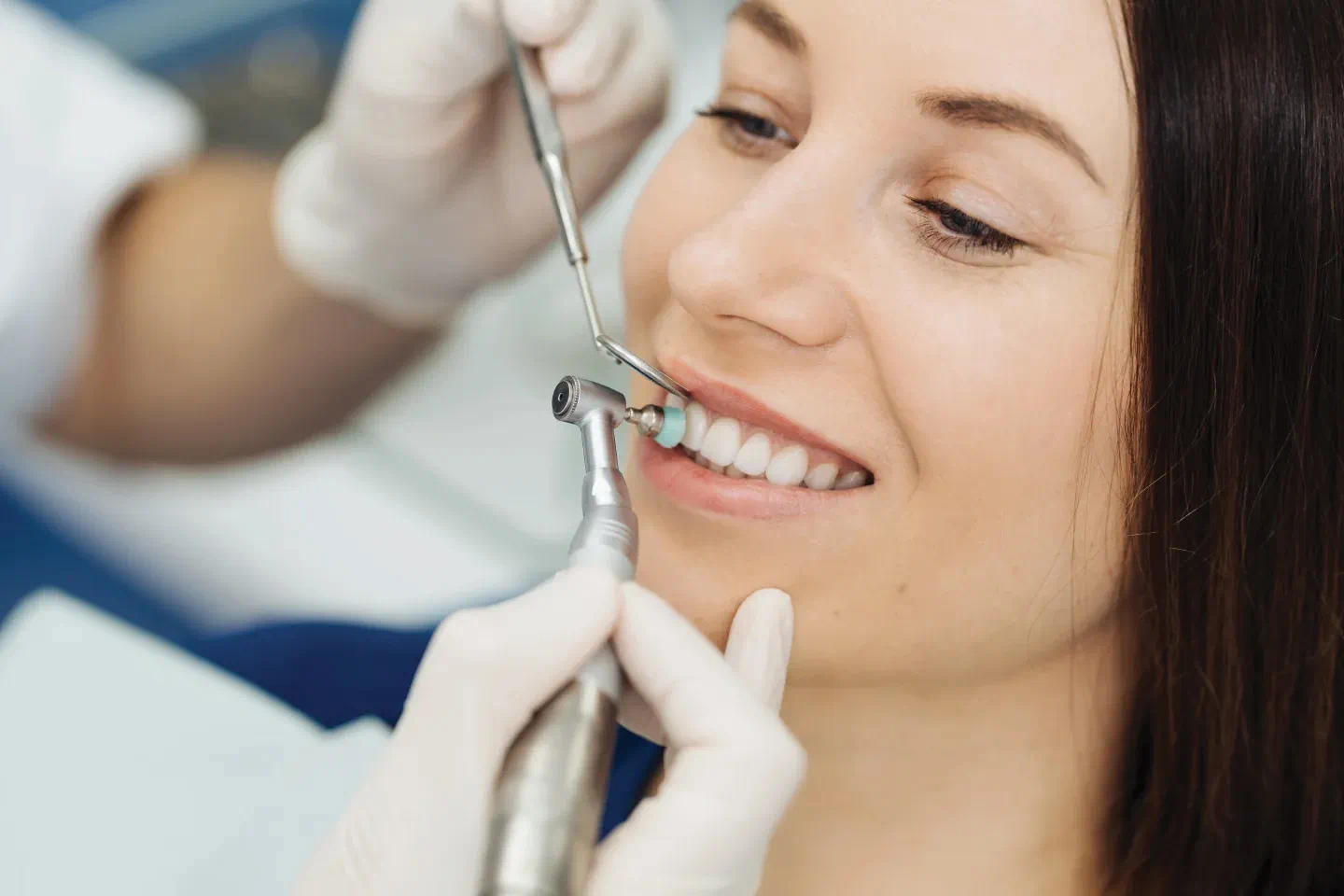
You brush. You floss, at least on your good weeks. So why does the dentist still want to see you twice a year? It is a fair question, and the answer comes down to what a toothbrush simply cannot reach. Even with great habits at home, plaque and tartar can build up in the spots that are hardest to clean, and that is where professional teeth cleaning in Palmer comes in.
Think of a cleaning as a reset button for your mouth. It is a chance to remove buildup, check on your gums, and catch small concerns before they grow. Here is what to know about the process, the benefits, and how to make it a comfortable part of your routine.
Why Do You Need Professional Teeth Cleaning if You Already Brush and Floss?
Home care is the foundation, but it has limits. Plaque is a sticky film of bacteria that forms on your teeth throughout the day. If it is not removed, it can harden into tartar, also called calculus. Once tartar forms, brushing and flossing alone cannot remove it.
Tartar tends to collect along the gumline, behind the lower front teeth, and around the back molars. Over time, it can irritate the gums and may contribute to bad breath, gum inflammation, and cavities. A hygienist uses specialized tools to remove that buildup safely, which helps give your daily routine a stronger starting point.
What Happens During a Teeth Cleaning Appointment?
If you have never been, or it has been a while, knowing the steps can ease nerves. A typical visit goes something like this:
- A quick check-in. Your hygienist asks about your health, any changes in medications, and whether you have noticed sensitivity, bleeding, or pain.
- A look around. Before cleaning begins, the hygienist or dentist examines your teeth and gums for anything that needs attention.
- Plaque and tartar removal. Using a small hand tool or an ultrasonic scaler, the hygienist gently removes buildup above and slightly below the gumline. Ultrasonic scalers use vibrations and water, so you may hear a humming sound and feel a light spray.
- Polishing. A gritty polish is applied to remove surface stains and leave your teeth feeling smooth.
- Flossing. The hygienist flosses between your teeth, which also helps spot tender areas.
- Fluoride, if recommended. Some patients receive a fluoride treatment to help strengthen enamel.
Most cleanings take about 30 to 60 minutes, depending on how much buildup there is and whether other services are included.
Is Professional Teeth Cleaning Painful?
For most people, no. You may feel pressure, scraping, or mild tenderness, especially if your gums are inflamed or you have not been in a while. Sensitive teeth can make certain parts feel more intense.
If you get uncomfortable, speak up. A good hygienist will adjust their technique, take breaks, or suggest options such as numbing gel. Comfort matters, and nobody should have to tough it out in silence.
How Often Should You Schedule Professional Teeth Cleaning?
Many people do well with a cleaning every six months, but there is no one-size-fits-all schedule. Your dentist may recommend a different interval based on your needs. You might benefit from more frequent visits if you:
- Have a history of gum disease
- Tend to build up tartar quickly
- Have diabetes or another condition that affects healing and gum health
- Smoke or use tobacco products
- Wear braces or other dental appliances
- Experience dry mouth, which can raise cavity risk
On the other hand, if your gums are healthy and your mouth stays in good shape, your dentist may feel comfortable with a standard schedule. The best approach is to ask what makes sense for you.
What Is the Difference Between a Regular Cleaning and a Deep Cleaning?
You may hear the term deep cleaning, and it is not the same as a routine prophylaxis. A regular cleaning is meant to maintain healthy teeth and gums. A deep cleaning, often called scaling and root planing, is a more targeted treatment for people who show signs of gum disease.
During scaling and root planing, the hygienist cleans below the gumline and smooths the root surfaces so gums can reattach more easily. It may be done in sections, sometimes with local anesthesia for comfort. If your dentist recommends this, they will explain why and what to expect. It is not a punishment for missed visits; it is simply a way to help your gums recover.
What Are the Benefits of Regular Dental Cleanings for Your Health?
A cleaning does more than make your smile look brighter, though that is a nice perk. Regular visits may help you:
- Reduce plaque and tartar that can irritate gums
- Lower the risk of cavities by removing bacteria-rich buildup
- Freshen your breath by clearing out odor-causing bacteria
- Catch problems early, such as small cavities, gum changes, or worn fillings
- Support overall health, since gum health has been associated with conditions like heart disease and diabetes
Results vary from person to person, but consistent preventive care is one of the most practical ways to protect your smile.
Signs It May Be Time to Book a Teeth Cleaning
Sometimes your mouth tells you it is overdue. Consider scheduling a visit if you notice:
- Gums that bleed when brushing or flossing
- Persistent bad breath
- Yellow or brown stains that will not brush away
- A rough, gritty feeling on your teeth, especially near the gumline
- Red, swollen, or tender gums
- It has simply been more than six months since your last cleaning
None of these automatically signals a serious problem, but they are good reasons to have a professional take a look.
How Can You Keep Your Teeth Clean Between Visits?
The cleaner your teeth stay at home, the easier and more comfortable your appointments tend to be. Try to:
- Brush twice a day for two minutes with fluoride toothpaste
- Clean between your teeth daily with floss, interdental brushes, or a water flosser
- Rinse with water after meals when you cannot brush
- Limit sugary snacks and drinks, especially sipping through the day
- Avoid tobacco, which is closely linked to gum disease
- Replace your toothbrush every three to four months
If your gums feel tender after cleaning, over-the-counter pain relievers and a soft diet for a day can help, but check with your dental team if soreness lingers.
Smileworks Family Dentistry: A Friendly Choice for Palmer Families
A good cleaning experience depends on the people behind it. At Smileworks Family Dentistry, the team focuses on gentle care, clear explanations, and making patients feel comfortable, whether you are coming in solo or with the whole family. For Palmer residents looking for professional teeth cleaning in Palmer, MA, Smileworks Family Dentistry offers a welcoming place to start.
Schedule Professional Teeth Cleaning in Palmer With Smileworks Family Dentistry
If it has been a while since your last cleaning, there is no better time than now to get back on track. A fresh, comfortable cleaning can leave your mouth feeling renewed and give you a clearer picture of your oral health.
Call Smileworks Family Dentistry today to book your professional teeth cleaning in Palmer, MA. Our team at Smileworks Family Dentistry is ready to welcome you, answer your questions, and help you keep your smile healthy for the long run.
Frequently Asked Questions About Professional Teeth Cleaning in Palmer, MA
Q: How long does a professional teeth cleaning take?
A: Most cleanings last about 30 to 60 minutes. Visits may run longer for new patients or when X-rays and an exam are included.
Q: Will teeth cleaning damage my enamel?
A: When performed correctly, professional cleaning is designed to remove buildup without harming enamel. Tell your hygienist if you have sensitivity so they can adjust.
Q: Can cleaning remove all the stains from my teeth?
A: Cleanings can remove many surface stains from coffee, tea, or tobacco. Deeper discoloration may need other treatments, and your dentist can talk you through the options.
Q: Is it normal for my gums to bleed during a cleaning?
A: Some bleeding can happen, especially if your gums are inflamed. Persistent bleeding may suggest gum disease, so mention it to your dentist.
Q: Do I need a cleaning if I have no pain or cavities?
A: Yes, many dental problems develop without symptoms. Regular cleanings and exams help catch concerns early.
Q: Is teeth cleaning safe during pregnancy?
A: Routine cleanings are generally considered appropriate during pregnancy. Let your dental team know so they can plan your care thoughtfully.
Q: Where can I schedule professional teeth cleaning in Palmer, MA?
A: Smileworks Family Dentistry welcomes Palmer patients for cleanings and preventive care. Call the office to find a time that fits your schedule.
Contact Us
Don’t wait for symptoms to worsen—book your consultation today and take the first step towards better health.


Phone: (413) 443-3144


Smileworks Family Dentistry offers compassionate, expert care for all ages, ensuring healthy, beautiful smiles with personalized treatments in a welcoming environment.


© Smileworks Family Dentistry 2025. All Rights Reserved | Privacy Policy | Powered by Remedo