
What You Need to Know About Sedation Dentistry
If the thought of sitting in a dental chair makes your stomach drop, you are far from alone. Dental anxiety is one of the most common reasons people put off checkups and cleanings, sometimes for years at a stretch, and that delay often lets small issues turn into bigger ones. This is where sedation dentistry in Pittsfield, MA has become such a helpful option for so many patients. It is not about being knocked out or losing control of the visit. It is about taking the edge off so a routine appointment, or even a more involved procedure, feels manageable instead of dreaded.
This guide walks through what sedation dentistry actually involves, who tends to benefit most, and what a typical appointment looks like when sedation is part of the plan. If you have been searching for sedation dentistry in Pittsfield, MA because you or a family member struggles with dental visits, this should give you a clearer picture before you ever sit down for a consultation.
Why So Many Patients Are Turning to Sedation Dentistry
Dental anxiety does not always look like obvious fear. Sometimes it shows up as rescheduling appointments over and over, or gripping the armrest through a routine cleaning, or avoiding the dentist entirely until something actually hurts. For patients with a strong gag reflex, sensory sensitivities, or past negative experiences at the dentist, even simple visits can feel like a lot to get through.
Sedation dentistry gives people a way to get the care they need without the visit feeling overwhelming. It can also be useful for longer procedures where sitting still for an extended period would otherwise be uncomfortable, or for patients who simply have a hard time relaxing in a clinical setting no matter how gentle the team is. The team at Smileworks Family Dentistry often hears from patients that sedation options were the reason they finally came back in after years away from regular dental care.
Types of Sedation Used in Modern Dental Care
Sedation dentistry is not one single approach. Dentists typically choose from a few different options depending on the patient, the procedure, and the level of anxiety involved.
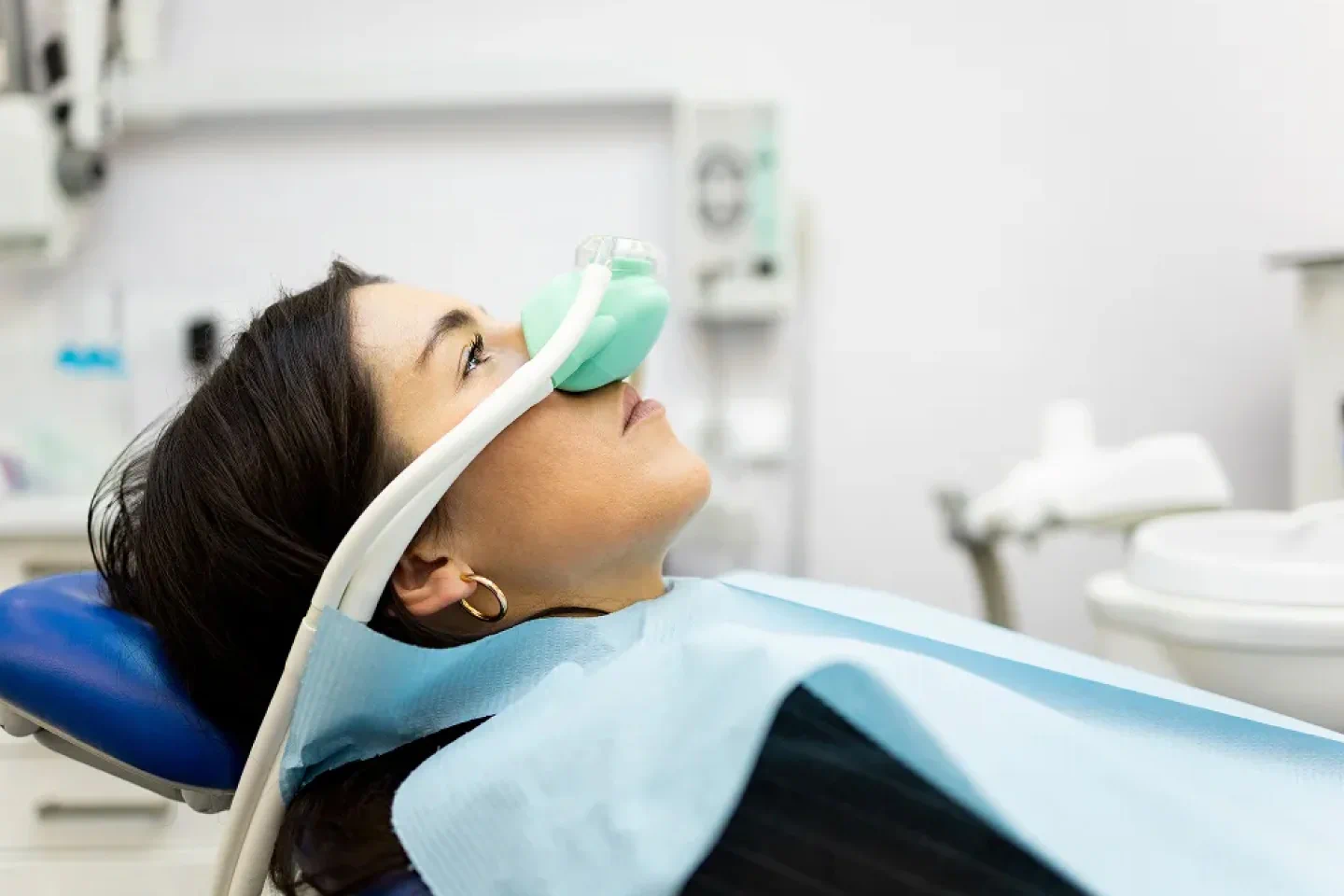
Nitrous oxide, often called laughing gas, is one of the mildest and most commonly used forms. It is inhaled through a small mask, takes effect quickly, and wears off shortly after the mask is removed, which is part of why many patients are able to drive themselves home afterward. It tends to work well for patients with mild to moderate nervousness.
Oral sedation involves taking a prescribed medication before the appointment, usually in pill form, that helps the patient feel drowsy and more at ease once they arrive. Depending on the dose, patients may remain fully awake but relaxed, or drift into a lighter, sleepy state during the procedure. Because oral sedation can affect coordination and alertness for a while afterward, patients are generally asked to arrange a ride home.
IV sedation is a deeper option sometimes used for more involved procedures or for patients with significant anxiety. It is administered by a trained provider and allows for more precise control over the level of sedation throughout the appointment. As with oral sedation, a ride home and a period of rest afterward are typically part of the plan.
Your dentist will walk through which option makes sense based on your health history, the procedure being done, and your personal comfort level. This is not a one-size-fits-all decision, and a good provider will talk you through the pros and cons rather than defaulting to the strongest option available.
Is Sedation Dentistry Safe for Most Patients
One of the most common questions people ask before their first sedation appointment is whether it is actually safe. For most healthy adults, sedation dentistry is generally considered a well-established part of modern dental care, though safety always depends on an individual's full medical history being reviewed ahead of time.
Before recommending sedation, a dentist will typically ask about current medications, allergies, past reactions to anesthesia, and any underlying health conditions. This conversation matters because certain medications or conditions can affect how a person responds to sedation. Being upfront about your full health picture, including over-the-counter medications and supplements you take regularly, helps your dental team make the safest recommendation for your specific situation.
Monitoring during the appointment, especially with IV sedation, is also a standard part of the process, allowing the team to keep an eye on things like breathing and heart rate throughout the procedure. If you have specific health concerns, it is worth raising them directly during your consultation so your dentist can address them before deciding on the right sedation approach for you.
What to Expect Before, During, and After Your Appointment
Knowing what the day actually looks like can take a lot of the mystery, and the anxiety, out of the process.
Before the appointment, your dentist will usually go over instructions specific to the type of sedation being used. This might include fasting for a certain number of hours beforehand if oral or IV sedation is planned, arranging a ride to and from the office, and wearing comfortable clothing.
During the appointment, most patients describe feeling noticeably calmer than they expected, with time seeming to pass more quickly than usual. Depending on the sedation level, you may remember parts of the procedure clearly, only vaguely, or not much at all.
After the appointment, some grogginess or lingering drowsiness is common, particularly with oral or IV sedation, so having someone else drive and plan to rest for the remainder of the day is usually recommended. Nitrous oxide tends to wear off much faster, often within minutes of the mask being removed, which is why many patients feel comfortable resuming normal activities shortly after.
How to Know if Sedation Dentistry Is Right for You
If dental anxiety has kept you from getting routine care, or if you have a procedure coming up that feels daunting, it may be worth having a conversation about sedation options at your next visit. People who tend to find sedation dentistry particularly helpful include those with a diagnosed dental phobia, a strong gag reflex, difficulty sitting still for long periods, or a history of traumatic dental experiences.
That said, sedation is not automatically necessary for every anxious patient. Some people do well with simpler comfort measures, like noise canceling headphones, a weighted blanket, or a dentist who takes extra time to explain each step. A good first step is simply telling your dental team how you feel about visits so they can recommend an approach that actually fits your needs, rather than assuming sedation is the only path forward. Anyone weighing sedation dentistry in Pittsfield, MA against these simpler options can bring up both during a consultation and see which one feels right.
Schedule Your Consultation With Smileworks Family Dentistry
If dental anxiety has been holding you back from getting the care you need, Smileworks Family Dentistry can walk you through your sedation options in a low pressure conversation before any treatment begins. Whether you are looking into sedation dentistry in Pittsfield, MA, for a routine cleaning or a more involved procedure, the team can help you figure out which approach fits your comfort level and health history. Reach out to Smileworks Family Dentistry to schedule a consultation and take the first step toward a calmer dental visit.
Frequently Asked Questions on Sedation Dentistry
Q: What is sedation dentistry and how does it work?
A: Sedation dentistry uses medication, ranging from mild inhaled gas to oral or IV options, to help patients feel calmer and more comfortable during dental procedures. The right type depends on the patient's anxiety level, health history, and the procedure being performed.
Q: Will I be unconscious during sedation dentistry?
A: Not typically. Most forms of sedation dentistry, including nitrous oxide and oral sedation, keep patients in a relaxed but responsive state rather than fully unconscious. Deeper sedation levels can vary, so this is something to discuss directly with your dentist.
Q: Is sedation dentistry safe for children?
A: Sedation options for children are typically approached more conservatively and depend heavily on the child's age, health history, and the specific procedure. A pediatric dental provider can advise on whether sedation is appropriate for your child's situation.
Q: How long does it take to recover from sedation dentistry?
A: Recovery time varies by sedation type. Nitrous oxide tends to wear off within minutes, while oral and IV sedation can leave some grogginess for several hours, which is why arranging a ride home is generally recommended.
Q: Does dental insurance cover sedation dentistry?
A: Coverage varies widely depending on your insurance plan and the reason sedation is being used. The team at Smileworks Family Dentistry can help you understand your specific coverage before your appointment.
Q: Can I eat before a sedation dentistry appointment?
A: This depends on the type of sedation planned. Oral and IV sedation often require fasting for a set number of hours beforehand, while nitrous oxide usually does not have the same restriction. Your dentist will give you specific instructions ahead of time.
Q: Who is a good candidate for sedation dentistry?
A: People with dental anxiety, a strong gag reflex, difficulty sitting still for extended periods, or a history of difficult dental experiences are often good candidates. A consultation is the best way to determine whether sedation makes sense for your particular needs.
Contact Us
Don’t wait for symptoms to worsen—book your consultation today and take the first step towards better health.


Phone: (413) 443-3144


Smileworks Family Dentistry offers compassionate, expert care for all ages, ensuring healthy, beautiful smiles with personalized treatments in a welcoming environment.


© Smileworks Family Dentistry 2025. All Rights Reserved | Privacy Policy | Powered by Remedo