
The Ultimate Guide to Children’s Dental Care
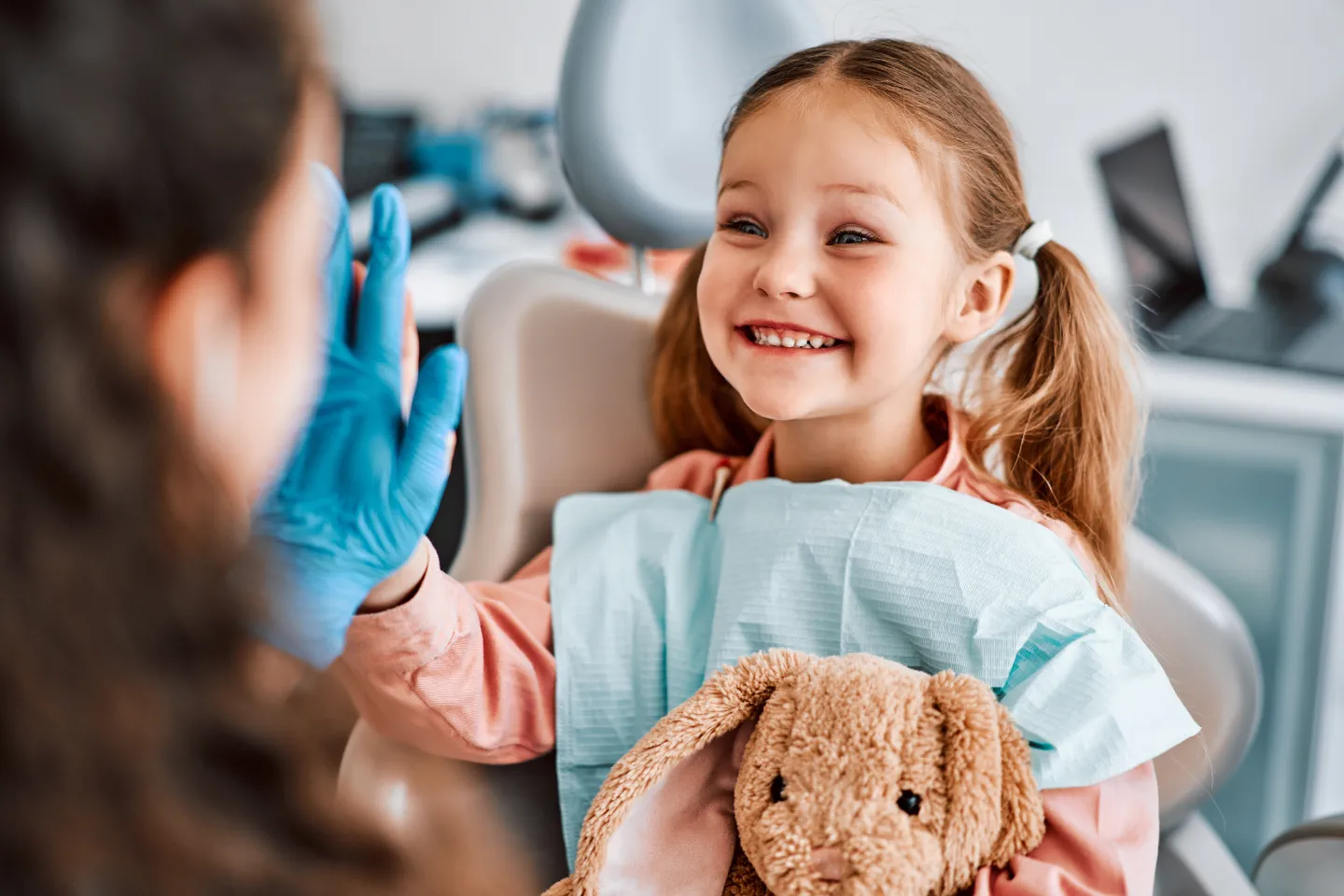
Parenting is a journey filled with milestones, from those first shaky steps to the first day of kindergarten. Among these big moments, there is one that often brings a mix of excitement and anxiety: the arrival of that very first tooth. Keeping those tiny pearly whites healthy is more than just about a pretty smile; it is the foundation for your child's overall health, self-esteem, and nutritional well-being.
In this expanded guide, we will walk through every stage of pediatric oral health. Whether you are currently looking for a trusted pediatric dentist in Pittsfield, MA, or you are a seasoned pro trying to navigate the teen years and braces, we have the insights you need to keep your family smiling.
Why Early Dental Care is Non-Negotiable
It is a common myth that baby teeth do not matter because they eventually fall out. In reality, these primary teeth serve several vital roles. They act as essential placeholders for permanent teeth, ensuring there is enough room for the adult set to erupt correctly. They also play a massive role in proper speech development, helping children form sounds like "th," "l," and "f." Perhaps most importantly, healthy teeth allow your child to chew a variety of nutritious foods comfortably, which is fuel for their growing bodies.
When you visit Smileworks Family Dentistry, our team focuses on preventive care to ensure these transitions happen smoothly. Neglecting baby teeth can lead to infections or premature tooth loss, which might cause permanent teeth to drift into the wrong positions. This often leads to complex and costly orthodontic issues later in life. By prioritizing early visits, you are not just fixing teeth; you are protecting your child's future jaw alignment.
Navigating Dental Milestones by Age
Every child develops at their own pace, but understanding the general stages of oral development allows you to stay proactive.
Infancy: Setting the Stage (0–12 Months)
Oral care starts even before you see a white speck in the gums. After every feeding, use a soft, damp cloth or a silicone finger brush to gently wipe your baby’s gums. This removes bacteria left behind by milk or formula and gets them used to the sensation of oral cleaning. This early habit prevents a condition known as "baby bottle tooth decay," which occurs when liquids containing sugar cling to the teeth for long periods.
The First Visit: The Age One Rule
The American Academy of Pediatric Dentistry recommends that a child visit a dentist by their first birthday or within six months of their first tooth appearing. Finding a local pediatric dentist in Pittsfield, MA, early on helps establish a "dental home." This first visit is usually quick and low-stress. It involves a gentle exam to check jaw development, gum health, and a discussion about teething and oral habits.
The Toddler Years: Brushing Basics (Ages 1–3)
By age three, most children have a full set of 20 baby teeth. This is the time to transition to a pea-sized amount of fluoride toothpaste. At Smileworks Family Dentistry, we love teaching toddlers how to brush by making it a game! Using "tell-show-do" techniques helps children feel in control of their own health.
The School-Age Transition (Ages 6–12)
Around age six, the first permanent molars appear. These teeth are "extra" and do not replace a baby tooth, so parents often miss them. This is also when "wiggly teeth" become the talk of the dinner table. It is crucial during this phase to maintain a rigorous brushing schedule, as the mix of big and small teeth creates nooks and crannies where plaque loves to hide.
The Power of Prevention: Tips for a Cavity-Free Childhood
Prevention is always better than a filling. A proactive approach saves your child from discomfort and saves you from unexpected dental bills.
Master the Two-Minute Rule
Brush twice a day for two minutes. Use a timer or a favorite song to keep things fun. Use circular motions at a 45-degree angle toward the gum line. Ensure you reach the back molars, which are the most common spots for cavities due to their deep grooves.
Flossing is Not Optional
As soon as two teeth touch each other, you must start flossing. Toothbrushes simply cannot reach the tight spaces between teeth. For children, flossing picks are often easier to handle than traditional string floss.
Fluoride and Dental Sealants
Ask your pediatric dentist in Pittsfield, MA, about dental sealants. Sealants are thin, protective coatings applied to the chewing surfaces of the back molars. They act as a physical barrier against food particles and acid. Combined with fluoride treatments, sealants can reduce the risk of decay by up to 80 percent in school-age children.
Nutrition for Strong Teeth
A tooth-friendly diet is low in processed sugars. Encourage snacks like:
- Crunchy veggies: Carrots and celery help "scrub" teeth naturally.
- Dairy: Cheese and yogurt provide calcium and phosphates that rebuild tooth enamel.
- Water: The best drink for teeth! It rinses away food debris and, if fluoridated, strengthens the teeth from the outside in.
Managing Dental Anxiety and Phobias
It is completely normal for kids to feel a bit nervous about the dentist. The sounds, smells, and bright lights can be overwhelming. To help them feel at ease, try these strategies:
- Start Early: The more familiar the office feels, the less scary it becomes. Familiarity breeds comfort.
- Use Positive Reinforcement: Focus on the "bravery" your child shows. Avoid using words like "shot," "drill," or "hurt." At Smileworks Family Dentistry, we use child-friendly language to explain every step of the process.
- Role Play at Home: "Play dentist" with your child. Let them count your teeth with a small mirror, then switch roles.
- Bring a Comfort Item: A favorite stuffed animal or a cozy blanket can make a world of difference during a cleaning.
Advanced Care: Sports, Habits, and Orthodontics
As children grow, their dental needs become more complex.
Sports Safety and Mouthguards
If your child is active in sports, whether it is soccer, basketball, or hockey, a mouthguard is essential. A custom-fitted mouthguard from your pediatric dentist in Pittsfield, MA, offers significantly better protection than the "boil and bite" versions found in stores. It protects not just the teeth, but also the lips, tongue, and jaw.
Breaking Habits: Thumb Sucking and Pacifiers
Most children stop sucking their thumbs naturally by age four. However, if the habit persists after permanent teeth begin to erupt, it can cause the front teeth to tilt outward or affect the shape of the palate. We provide gentle, non-judgmental strategies to help your child transition away from these habits.
Early Orthodontic Evaluation
The American Association of Orthodontists recommends an evaluation by age seven. While most kids won't need braces that early, catching jaw growth issues or crowding problems early can make future treatment much faster and less invasive.
Frequently Asked Questions
Q: When should I start using fluoride toothpaste for my child?
A: You should start using a tiny smear (the size of a grain of rice) as soon as the very first tooth erupts. Around age three, once they learn how to spit, you can move up to a pea-sized amount.
Q: Why should I choose a pediatric dentist in Pittsfield, MA, instead of a general dentist?
A: Pediatric specialists undergo two to three years of additional residency training beyond dental school. This training focuses on child psychology, growth and development, and treating children with special needs. We create an environment specifically designed to be "kid-sized" and welcoming.
Q: What should I do if my child knocks out a permanent tooth?
A: This is a dental emergency! Find the tooth, hold it by the crown (not the root), and rinse it gently with water if it is dirty. If possible, try to place it back in the socket. If not, keep it in a container of milk and head to Smileworks Family Dentistry immediately. Time is of the essence to save the tooth.
Q: Are dental X-rays safe for my child?
A: Yes. Modern digital X-rays involve very low levels of radiation. We use lead aprons and high-speed film to ensure your child’s safety while getting the diagnostic images we need to find "hidden" cavities.
Q: How can I prevent "mask mouth" or dry mouth in my active child?
A: Ensure they stay hydrated with plain water. A dry mouth lacks the saliva necessary to neutralize acids and wash away bacteria, which can lead to a sudden spike in cavities.
Book an Appointment at Smileworks Family Dentistry
Ready to start your child on the path to a lifetime of healthy smiles? Our friendly team is here to provide the highest quality care in a fun, stress-free environment. We believe that every child deserves a positive dental experience that sets them up for success. If you are searching for a compassionate pediatric dentist in Pittsfield, MA, look no further than our dedicated team. We can't wait to meet your family and watch your little ones grow!
Contact Us
Don’t wait for symptoms to worsen—book your consultation today and take the first step towards better health.


Phone: (413) 443-3144


Smileworks Family Dentistry offers compassionate, expert care for all ages, ensuring healthy, beautiful smiles with personalized treatments in a welcoming environment.


© Smileworks Family Dentistry 2025. All Rights Reserved | Privacy Policy | Powered by Remedo